
Paddle Injuries & Prevention: A Physiotherapist’s Guide
Paddle Injuries & Prevention: A Physiotherapist’s Guide
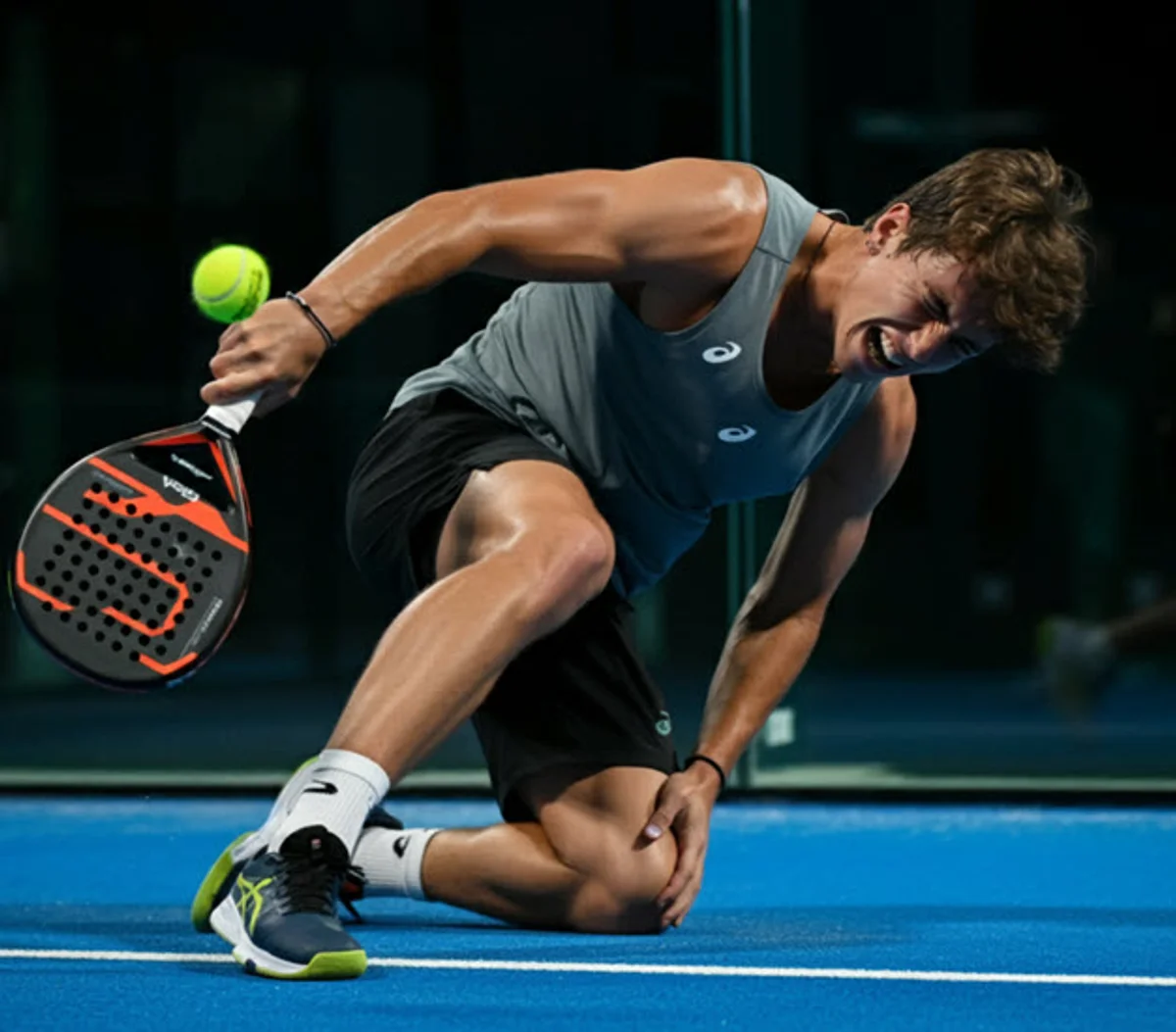
Common paddle injury assessed by a sports physiotherapist.Paddle sports such as padel and pickleball are growing rapidly in popularity due to their fast pace and social appeal. However, the repetitive movements, sudden directional changes, and high-impact strokes involved can place significant stress on the body. Without proper technique and conditioning, paddle sports injuries are becoming increasingly common. At Ace Physio Sports Singapore, we frequently see paddle players presenting with shoulder pain, elbow injuries, wrist strain, and lower back discomfort. Understanding these injuries and how to prevent them is essential for long-term performance and injury-free play.
Common Paddle Sports Injuries
Shoulder Injuries
Repetitive overhead strokes and rapid arm movements can overload the shoulder, leading to rotator cuff strain, impingement, or tendon irritation. Poor technique and inadequate strength further increase injury risk.
Elbow Pain (Tennis Elbow)
Lateral elbow pain is common in paddle players due to repetitive gripping and wrist extension. Incorrect grip size, poor stroke mechanics, and overuse often contribute to this condition.
Wrist and Forearm Strain
Sudden changes in direction and repeated impact can strain the wrist and forearm muscles, especially when players rely heavily on the wrist instead of whole-body movement.
Knee Injuries
Paddle sports involve frequent lunging, squatting, and rapid changes in direction, which place high demands on the knees. Common knee conditions include patellar tendon pain, meniscus irritation, and ligament strain, particularly when players lack proper lower limb strength or movement control.
Lower Back Pain
Twisting movements, lunging, and sudden acceleration can place excessive load on the lower back, particularly in players with poor core stability or limited hip mobility.
Why Paddle Injuries Occur
- Repetitive movements without adequate recovery
- Poor stroke technique and biomechanics
- Weak shoulder, core, or hip muscles
- Inadequate warm-up and flexibility
- Sudden increase in playing intensity or frequency
Paddle Injury Prevention Strategies
Improve Technique
Learning proper stroke mechanics reduces unnecessary stress on the shoulder, elbow, and wrist. Coaching and movement assessment can significantly lower injury risk.
Strength & Conditioning
Strengthening the shoulder stabilisers, forearm muscles, core, and hips improves load tolerance and control during play.
Warm-Up & Mobility
A proper warm-up increases blood flow and prepares muscles and joints for dynamic movements. Mobility exercises for the shoulders, hips, and spine are especially important.
Manage Training Load
Gradually increasing playing time and intensity allows the body to adapt and reduces overuse injuries.
How Physiotherapy Helps Paddle Players
Sports physiotherapy plays a crucial role in both treatment and prevention of paddle injuries. A physiotherapist can assess movement patterns, identify weak links, and design personalised rehabilitation and injury prevention programs. At Ace Physio Sports Singapore, our sports physiotherapists work closely with paddle athletes to relieve pain, restore movement, and improve performance while reducing the risk of future injury.
When to Seek Professional Help
If pain persists, worsens, or affects your performance, early physiotherapy intervention is recommended. Addressing minor issues early prevents them from developing into chronic injuries.
Conclusion
Paddle sports injuries are largely preventable with proper technique, conditioning, and recovery strategies. By understanding injury risks and taking proactive steps, players can enjoy the sport safely and perform at their best. If you are experiencing paddle-related pain or want to prevent injuries, consult a qualified sports physiotherapist for expert guidance.