
Nerve Pain Explained: Pinched Nerves, Sciatica & Physiotherapy Solutions
Nerve Pain Explained: Pinched Nerves, Sciatica & Physiotherapy Solutions
Nerve pain can be sharp, burning, shooting, or tingling — and it often feels very different from muscle or joint pain. Conditions like pinched nerves and sciatica are common causes of nerve pain and can significantly affect daily movement, sleep, and work. At Ace Physio Sports Singapore, we specialise in identifying the root cause of nerve pain and treating it using evidence-based physiotherapy techniques for long-term relief.
What Is Nerve Pain?
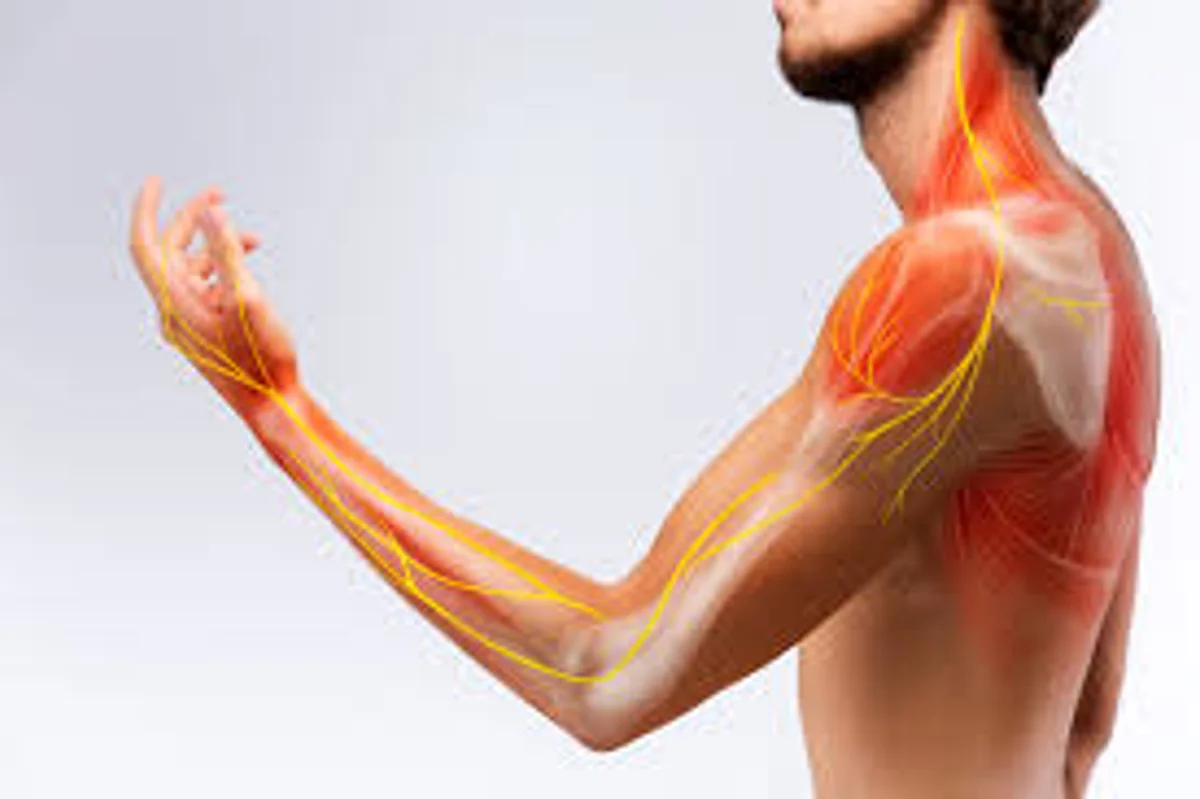
Nerve pain (also known as neuropathic pain) occurs when a nerve is irritated, compressed, or damaged. Unlike muscle pain, nerve pain often travels along a specific pathway and may be accompanied by numbness, tingling, or weakness.
Common Causes of Nerve Pain
1. Pinched Nerve
- Compression of a nerve by discs, joints, or tight muscles
- Common in the neck, lower back, shoulder, and wrist
- May cause radiating pain, tingling, or weakness
2. Sciatica
- Irritation of the sciatic nerve
- Pain radiates from the lower back into the buttock and leg
- Often caused by disc bulge, spinal stiffness, or muscle tightness
3. Disc-Related Issues
- Disc bulge or herniation
- Can compress nearby nerves
- Common in cervical (neck) and lumbar (lower back) spine
4. Nerve Entrapment Syndromes
- Carpal tunnel syndrome
- Thoracic outlet syndrome
- Ulnar nerve entrapment
5. Poor Posture & Repetitive Strain
- Long hours of sitting or device use
- Forward head posture
- Repetitive arm or wrist movements
Common Symptoms of Nerve Pain
- Shooting or electric-like pain
- Tingling or pins-and-needles sensation
- Numbness in arms or legs
- Muscle weakness
- Pain that travels down the arm or leg
How Physiotherapy Helps Nerve Pain
Physiotherapy plays a key role in relieving nerve pain by reducing pressure on the nerve and restoring healthy movement patterns.
1. Manual Therapy
- Spinal mobilisation to reduce nerve compression
- Soft tissue release for tight muscles
- Joint techniques to improve mobility
2. Nerve Gliding Exercises
- Improve nerve mobility
- Reduce nerve sensitivity
- Restore normal nerve function
3. Postural Correction
- Neck and spine alignment correction
- Workstation ergonomics advice
- Movement re-education
4. Strengthening & Stability Training
- Core strengthening
- Postural muscle activation
- Spinal stability exercises
5. Pain Relief Modalities
- Shockwave therapy
- Electrical stimulation
- Therapeutic ultrasound
When Should You See a Physiotherapist?
You should seek physiotherapy if you experience:
- Nerve pain lasting more than a few days
- Pain spreading into arms or legs
- Numbness or weakness
- Pain that worsens with sitting or movement
- Recurring sciatica episodes
Book an Assessment Today
Early treatment leads to faster recovery and prevents long-term nerve damage. Call: +65 8153 5374 Book online: Book Appointment
Conclusion
Nerve pain, whether from a pinched nerve or sciatica, can be debilitating but is highly treatable. Early diagnosis and physiotherapy are key to reducing compression and restoring nerve health. At ACE Physio Sports, we provide expert care to help you manage your symptoms and return to pain-free movement.