
ACL Tear: Surgery vs Conservative Treatment — What’s Best for You?
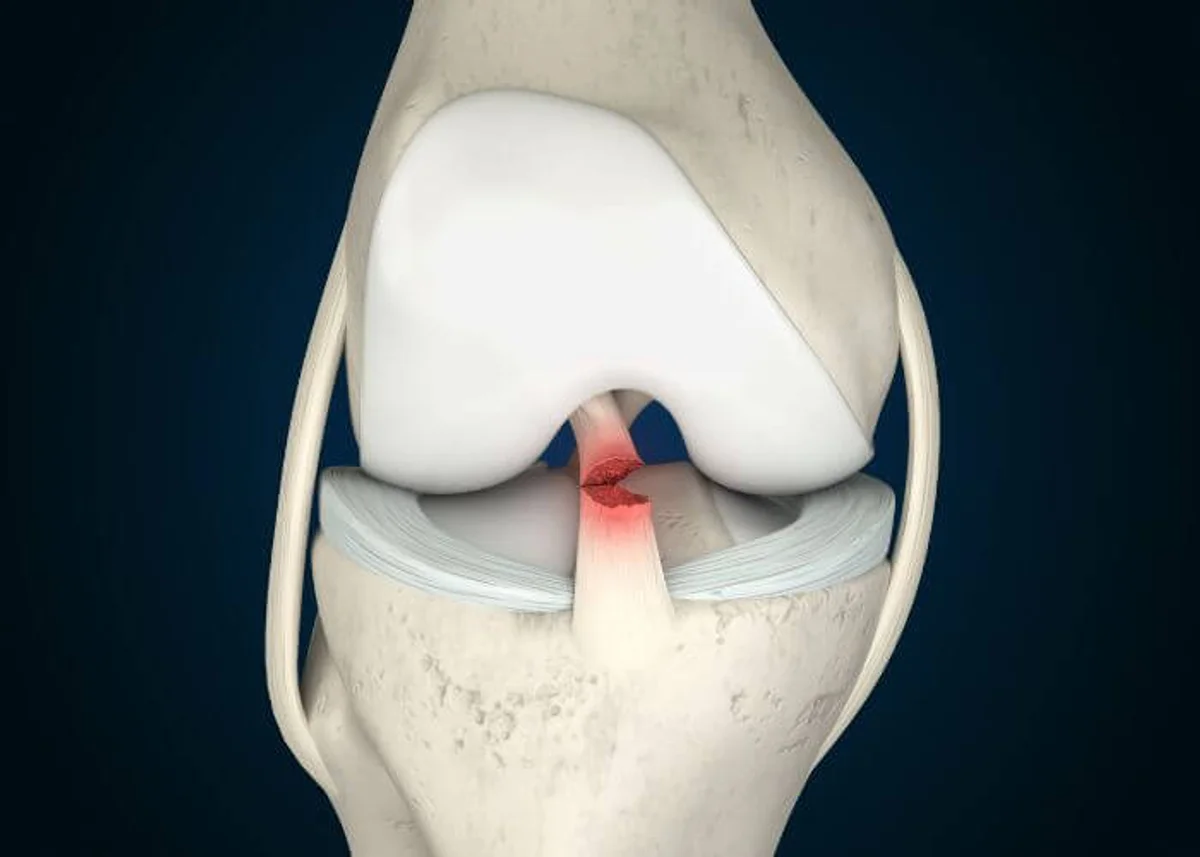
ACL Tear: Surgery vs Conservative Treatment — What’s Best for You?
An ACL tear (Anterior Cruciate Ligament injury) is one of the most common and serious knee injuries, especially in sports that involve pivoting, jumping, or sudden direction changes such as football, basketball, rugby, and netball. After an ACL injury, many people ask the same question: Do I need ACL surgery, or can I recover with physiotherapy alone? At Ace Physio Sports Singapore, we regularly guide patients through both surgical and conservative ACL recovery pathways. The best option depends on your knee stability, lifestyle, sport goals, and associated injuries.
What Is an ACL Tear?
The ACL is a strong ligament inside the knee that helps control stability, especially during twisting and cutting movements. An ACL tear typically occurs when the knee twists suddenly or lands awkwardly.
Common Symptoms of an ACL Tear
- A “pop” sound or sensation at the time of injury
- Immediate swelling (often within a few hours)
- Knee instability or “giving way”
- Pain when walking, turning, or pivoting
- Reduced range of motion and difficulty weight-bearing
ACL Tear Treatment Options
There are two main pathways for ACL tear management:
- ACL reconstruction surgery + physiotherapy rehabilitation
- Conservative (non-surgical) management with physiotherapy
Option 1: ACL Surgery (Reconstruction)
ACL surgery involves reconstructing the ligament using a graft...
Who May Benefit Most from ACL Surgery?
- People who play pivoting sports (football, basketball, tennis, rugby)
- Patients with frequent knee “giving way” episodes
- Individuals with combined injuries (e.g., meniscus tear or cartilage damage)
- Those returning to competitive sport or physically demanding work
- Younger active individuals aiming for full sporting performance
Pros of ACL Surgery
- Improves knee stability for pivoting sports
- Reduces risk of repeated instability episodes
- May protect the meniscus from further injury in unstable knees
Cons / Considerations of ACL Surgery
- Requires a long rehab process (often 6–12 months)
- Post-surgical pain and swelling initially
- Risk of stiffness, weakness, or complications (rare but possible)
- Still requires structured physiotherapy to regain full function
Option 2: Conservative ACL Treatment (Non-Surgical Physiotherapy)
Not everyone with an ACL tear requires surgery. Some individuals can return to normal activity with a well-designed physiotherapy program, especially if their knee remains stable during daily movement.
Who May Be Suitable for Conservative Treatment?
- People who do not play pivoting or high-impact sports
- Those with stable knees and no repeated “giving way”
- Individuals with partial ACL tears
- Patients willing to commit to strength and movement training
- Those who prefer to avoid surgery or have medical reasons to delay it
Pros of Conservative Treatment
- No surgical risks
- Faster return to some daily activities
- Focuses on long-term strength, control, and knee confidence
Cons / Considerations of Conservative Treatment
- Some people may still experience instability during sports
- Higher risk of meniscus injury if knee repeatedly gives way
- May eventually require surgery if goals change or instability persists
How Physiotherapy Helps ACL Tears (Both Surgical and Non-Surgical)
Physiotherapy is essential in both recovery pathways. At Ace Physio Sports Singapore, we focus on restoring knee function, strength, and stability safely.
Key Areas of ACL Rehabilitation
- Pain and swelling control
- Restoring full knee range of motion
- Strengthening quadriceps, hamstrings, glutes, and calves
- Balance and proprioception training
- Running, jumping, and landing mechanics